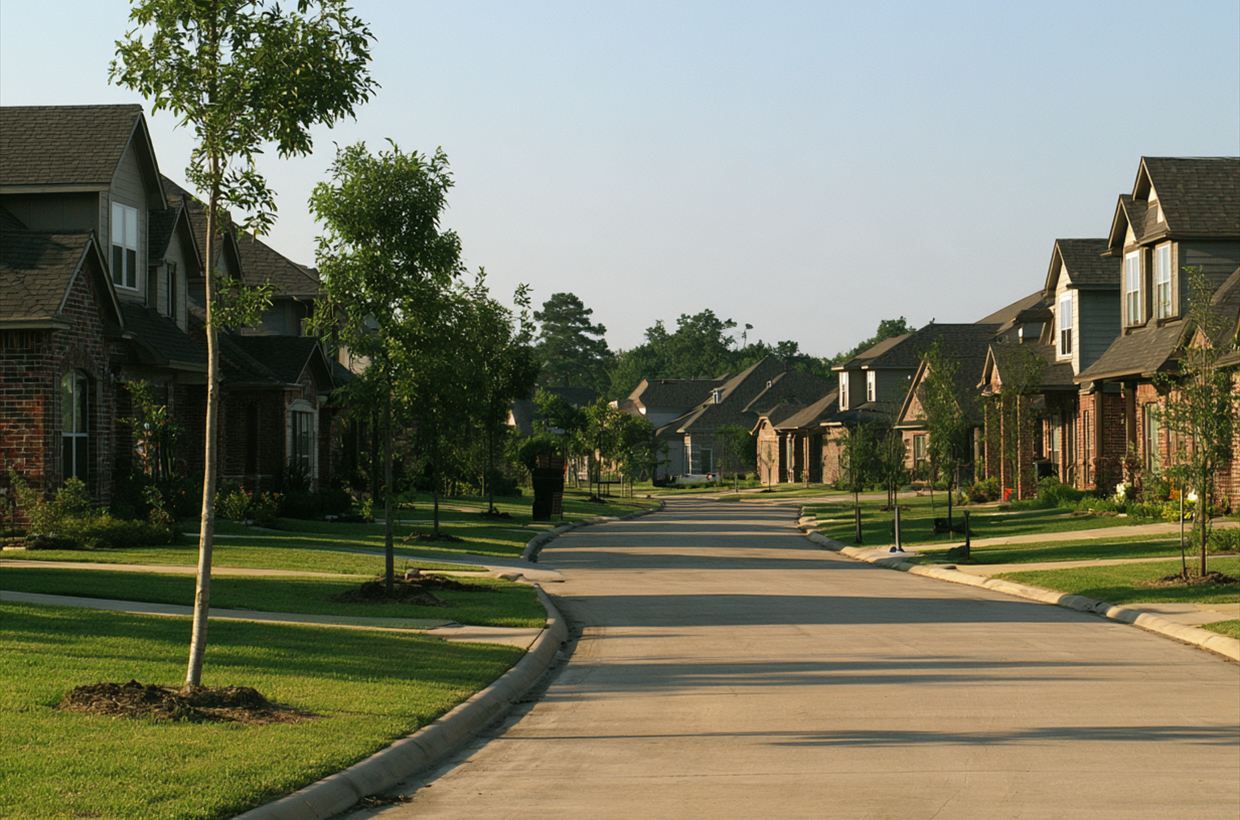
The Atlantic hurricane season runs from June through November, and the Gulf Coast's worst storms often come late in it. You can't keep a hurricane from reaching Baytown, but a few hours of preparation before the season makes the cleanup, and any claim, far easier if water gets inside. This checklist is for a typical slab-on-grade home. None of it involves doing water damage work yourself; it's about records, coverage and keeping water out where you easily can.
Records
- photograph and video every room, inside closets and cabinets too
- photograph serial and model labels on appliances, the water heater and the AC unit
- keep copies of every policy (homeowners, flood, windstorm) somewhere off-site or in cloud storage
- write down your agents' and insurers' claim phone numbers
- keep receipts for major purchases with those records
Coverage
- Know which policies you have. Homeowners, flood and windstorm cover different water. See windstorm, flood or homeowners.
- Check the waiting period. New flood policies usually have a waiting period before they start.
- Check your deductibles. Windstorm deductibles are often a percentage of the home's value.
Around the House
- clear gutters and downspouts, and point downspouts away from the slab
- check that the ground slopes away from the house
- know where the main water shutoff and the electrical panel are
- trim dead branches away from the roof
- secure or bring in loose outdoor items before a storm
Inside
- move valuables and documents off the floor and away from exterior walls in a storm
- put furniture legs on blocks in rooms that have flooded before
- keep fans, flashlights and batteries where you can find them in the dark
If You Have a Generator
Know how to run it safely before you need it: outside only, away from windows, doors and vents, never in a garage. Carbon monoxide from a generator indoors kills people every storm season. Drying a house without power is its own topic: drying a house when the power is out.
If You Evacuate
- turn off the water at the main
- take your policy documents and the photos
- photograph the house as you leave it
When you come back, photograph again before touching anything. The before-and-after record is what an adjuster needs.
Official Help
Ready.gov's hurricane page has a full preparedness list. Chambers County and the City of Baytown post local evacuation and shelter information.
A Note for Renters
If you rent, the owner handles the building and its insurance, but your belongings are yours to protect. A renters policy usually covers personal property for covered losses; flood coverage for contents is a separate purchase. Photograph your belongings before the season, keep your lease and policy documents somewhere safe, and know how to reach your landlord or property manager after a storm.
Drains, Ditches and the Street
Street flooding around Baytown often starts at a blocked storm drain or a roadside ditch full of debris. Before the season, look at the drain in front of your house and the ditch along your lot, and report blockages to the city or county. If water has reached your door before, note how high it came and where it entered. That record helps the next time a storm is forecast.
Questions
When should I photograph my home for insurance?
Before hurricane season, and again before you leave if you evacuate.
Should I turn the water off before evacuating?
Yes, at the main. A pipe that breaks while you're gone does far less damage.
Do I need flood insurance on higher ground?
It's worth pricing. Many flood claims come from outside the highest-risk zones.
Around Baytown
This list matters everywhere, and especially in Channelview, Huffman and Old River-Winfree. If a freeze is the risk instead, see when the Gulf Coast freezes.
Drying a House When the Power Is Out After a Storm
What a wet house needs when the grid is down.
When the Gulf Coast Freezes: Pipes in Exterior Walls and Attics
The rare hard freeze, and the leaks that show up when it thaws.