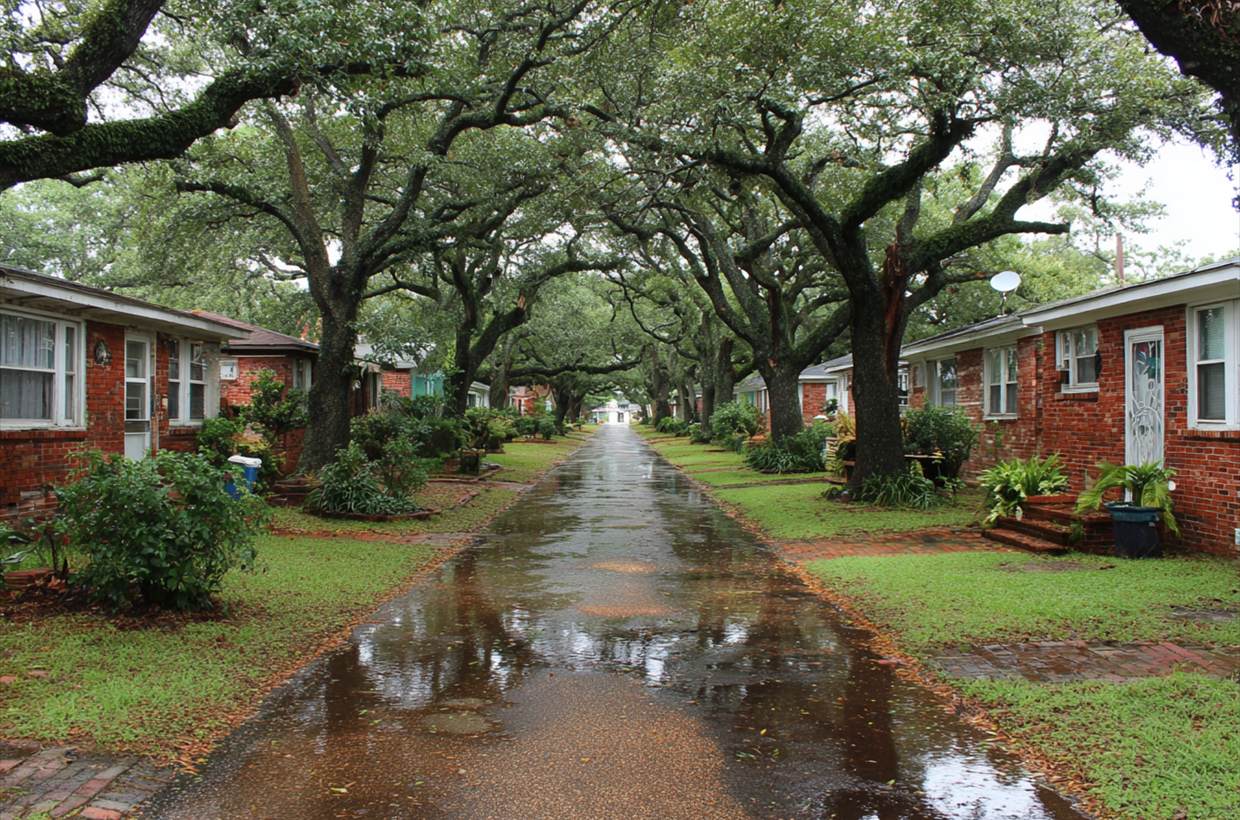
After a Gulf Coast storm, the first question isn't only "how bad is it?" It's "where did the water come from?" Around Baytown, three different policies can be involved, and each one covers a different kind of water. Knowing which is which before a storm saves a lot of frustration after it. This is the general pattern, not a promise about any policy. Your policy's wording decides.
The Three Policies
| Policy | Usually covers | Usually doesn't |
|---|---|---|
| Homeowners | Sudden plumbing and appliance leaks; some storm damage, depending on the policy | Flood and surge from outside; wind damage where wind is excluded |
| Flood (NFIP or private) | Rising water from outside: surge, bayou overflow, street flooding | Plumbing leaks; wind-driven rain |
| Windstorm (TWIA or private) | Wind damage, and rain that gets in through an opening the wind made | Flood and surge |
Why the County Line Matters
The Texas Windstorm Insurance Association (TWIA) is the state's insurer of last resort for wind and hail along the coast. Its coverage area includes the first-tier coastal counties, Chambers County among them. In Harris County, it covers only certain cities east of Highway 146: La Porte, Morgan's Point, Pasadena, Seabrook and Shoreacres. Baytown sits on both sides of Cedar Bayou, roughly the line between Harris and Chambers counties, so windstorm options can differ between neighbors. If you're not sure which applies to your address, check with TWIA or your agent. The Texas Department of Insurance explains windstorm coverage and handles complaints about insurers.
Flood Coverage
Flood policies are sold separately, most often through the National Flood Insurance Program, run by FEMA and sold through regular agents. There's usually a waiting period before a new policy takes effect, so buying one when a storm is in the Gulf is too late. FloodSmart.gov explains the program.
When One Storm Brings More Than One Kind of Water
A hurricane can bring all three at once: surge in the street, rain through a damaged roof, and a pipe that broke when a tree hit the house. Each kind of water may go to a different policy. That's why the records matter:
- photos and video of each room before anything moves
- where the water came in, as best you can tell
- the water line on the walls
- the restoration company's moisture readings and written scope
- receipts for anything you did to prevent more damage
After the Storm
- report the claim to each insurer that might apply, and get claim numbers
- take reasonable steps to prevent more damage; that's what mitigation is
- keep removed materials, or photos of them, until the adjuster has seen them, if asked
- read anything before you sign it, especially a document about your claim
Deductibles Work Differently
Windstorm and hurricane deductibles are often a percentage of the home's insured value, not a flat dollar amount, so they can be much larger than a homeowners deductible. Flood policies have their own deductibles too. If one storm brings more than one kind of water, there may be more than one deductible. Knowing the numbers before the season starts makes the decisions afterward much easier.
Questions
Does homeowners insurance cover hurricane flooding?
Generally not. Surge and rising water are flood-policy matters.
Is my Baytown home in the TWIA area?
It depends on the side of town. Chambers County is in the area; in Harris County, only certain cities east of Highway 146 are. Check your address with TWIA or your agent.
Is it too late to buy flood insurance once a storm is in the Gulf?
You can buy it, but new NFIP policies usually have a waiting period before they take effect.
Who handles complaints about an insurer in Texas?
The Texas Department of Insurance.
Where It Matters Most
The county split matters most along Cedar Bayou, and windstorm questions come up constantly in La Porte, Seabrook and Anahuac.
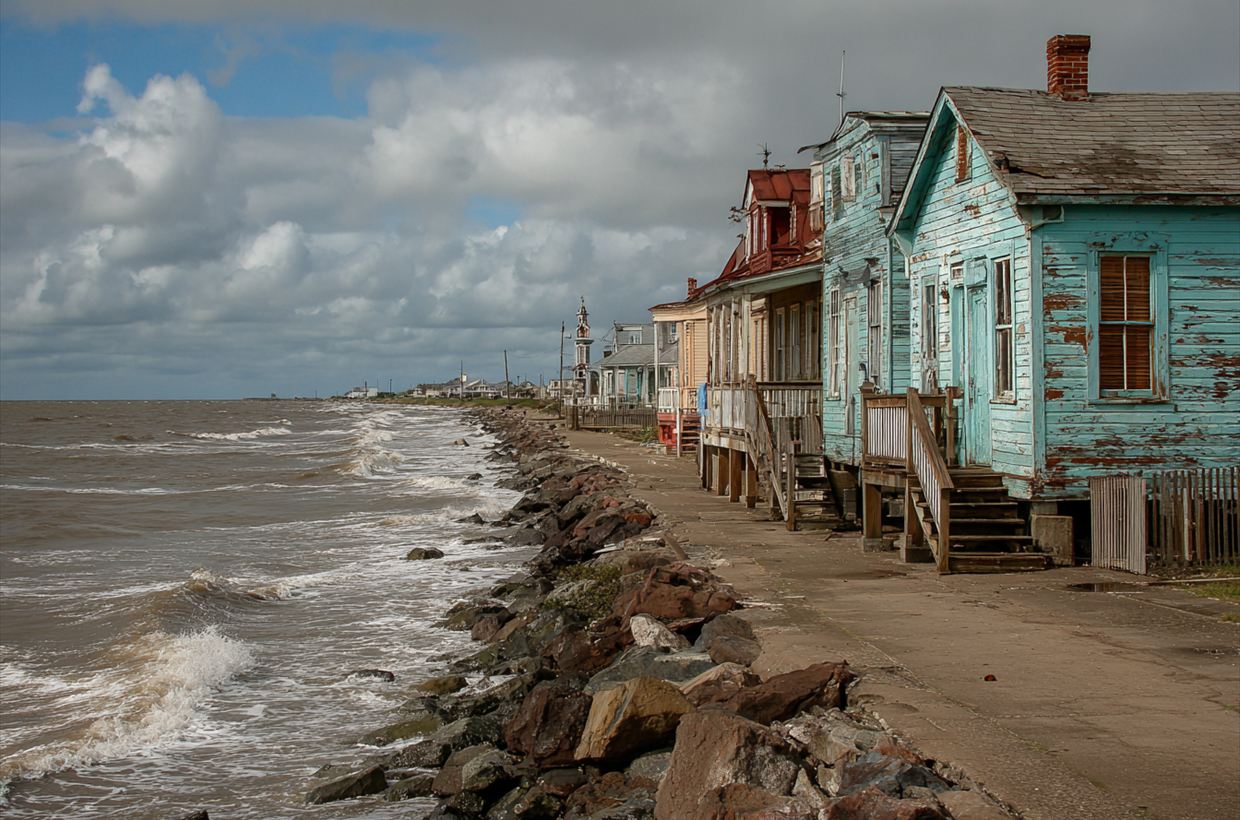
Saltwater in the House: What Bay Water Does Differently
What stays, what goes, and why salt matters.
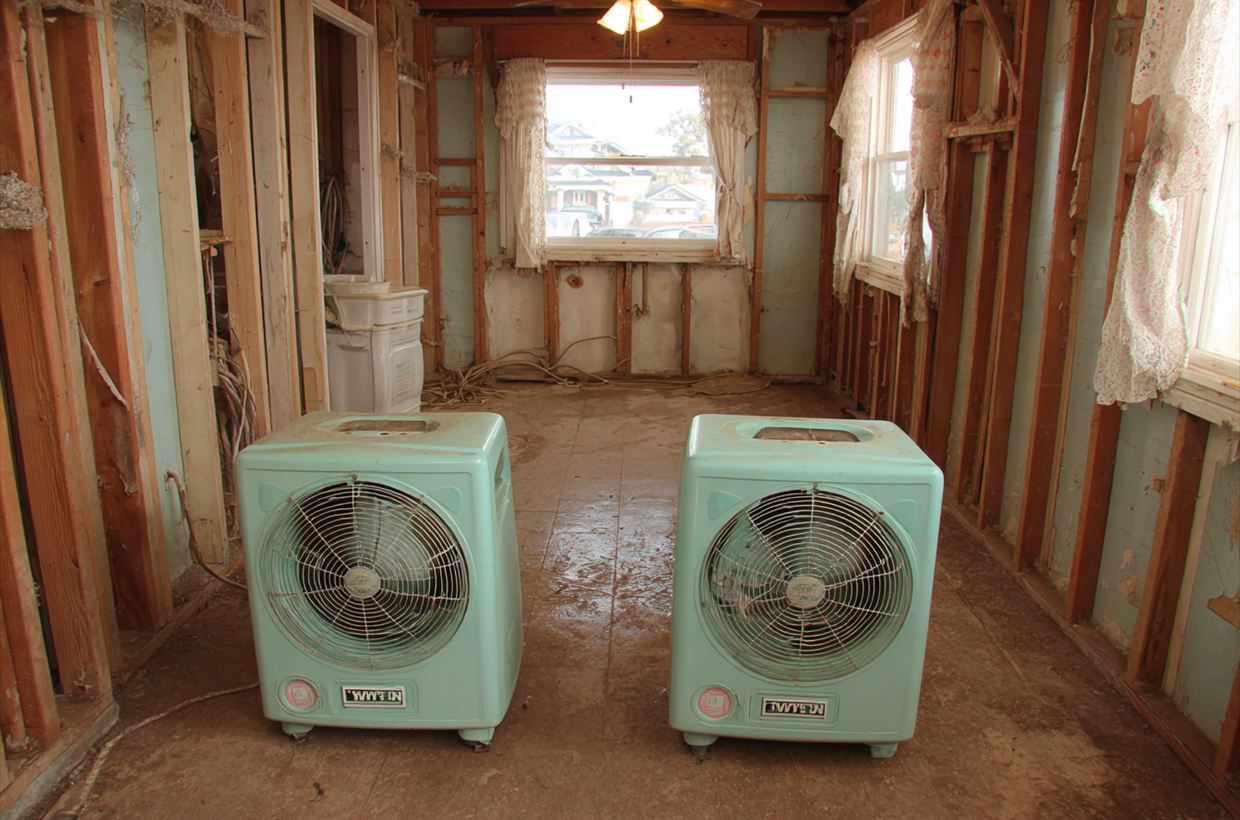
What Changes the Bill on a Water Damage Job
The factors behind the price, without prices.